
By LocalAds.ie Editorial Team
Where to Buy and Sell Second-Hand Items in Ireland
Compare the main ways to buy and sell used goods in Ireland, choose the right channel for each item, and arrange a safer local deal.
Published 6 September 2026 - 10 min read
Ireland has no single best place for every second-hand purchase. A sofa that needs a van, a phone that can be posted and a box of children’s clothes each suit a different route. The practical choice depends on the item’s value, how far you can travel, whether you need buyer protection and how quickly you want the deal completed.
Start with a local classifieds marketplace
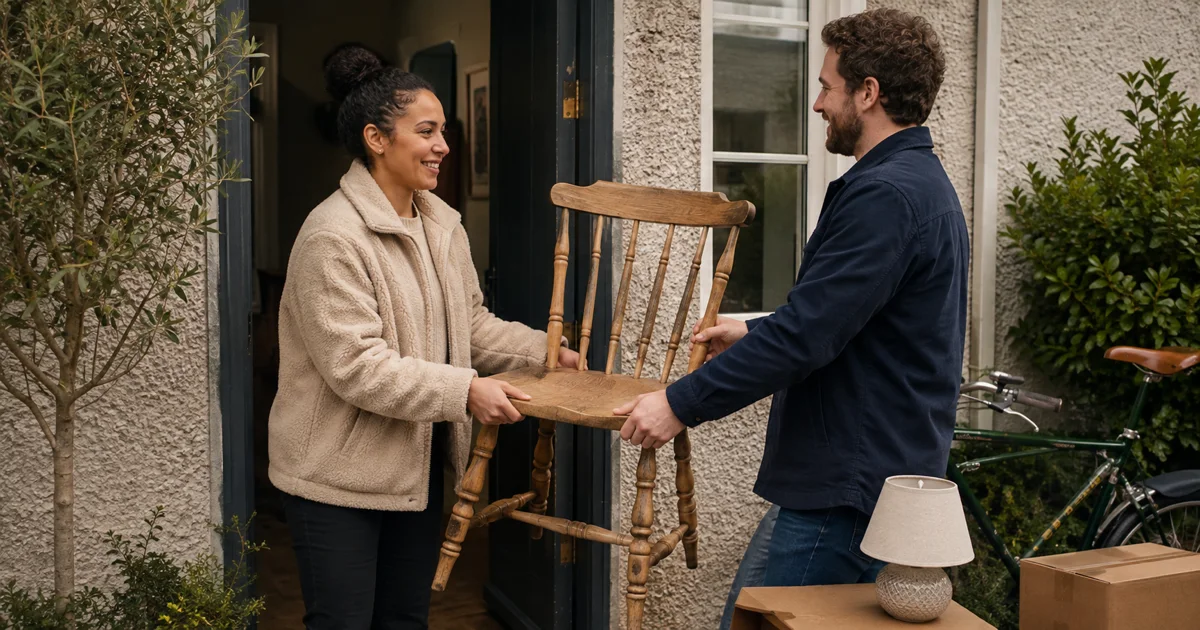
A local classifieds site is often the simplest starting point for furniture, bicycles, appliances, tools, garden equipment and other goods that are easier to inspect and collect in person. On LocalAds.ie, buyers can browse by category and Irish county, while sellers can create an advert with a price, condition, location, photographs and contact preferences. Keeping the advert and conversation together also makes it easier to review what was promised before collection.
Local classifieds work particularly well when
- The buyer should inspect or test the item before paying.
- Postage would be expensive, awkward or likely to cause damage.
- The seller wants to reach people within a manageable collection distance.
- Condition, measurements and included accessories need to be explained clearly.
Use specialist marketplaces for specialist goods
Some goods benefit from a specialist audience. Collectors may understand grading terminology for records, coins or cameras. Cyclists may ask more precise questions about frame size and components. A specialist shop can also be useful when you want an expert assessment, a warranty or a trade-in, although the final price may differ from a direct private sale because the business must cover inspection, preparation and resale costs.
Check charity shops, reuse centres and local sales
Charity shops, reuse centres, car-boot sales and community sales can be excellent for low-cost household goods, books, clothing and small furniture. Stock changes constantly, so visiting in person is usually more useful than expecting a complete online catalogue. Ask about delivery before buying bulky furniture, and inspect electrical goods for a testing label or written information about their condition.
Choose the right route for the item
A quick channel guide
- Furniture and large appliances: local collection through county-based classifieds or a reuse shop with delivery.
- Phones, laptops and consoles: a detailed advert, an in-person test and a record of the device identifiers where appropriate.
- Clothes, books and small accessories: local bundles or tracked postage when the cost makes sense.
- Tools, bicycles and garden equipment: local inspection so the buyer can check wear, operation and identifying marks.
- Collectibles and specialist equipment: a focused marketplace or dealer when accurate grading matters.
How buyers can find better-value listings
Search with a precise item name, then widen the location or wording if results are limited. Compare several adverts rather than relying on the first asking price. A complete advert with original photographs, measurements, a specific condition description and a believable local collection point is usually more useful than a very cheap advert with little detail. Ask whether every photographed accessory is included and whether there are faults not visible in the pictures.
How sellers can attract serious enquiries
Use a direct title containing the item, brand or model and its most important feature. Photograph the actual item in daylight from several angles, including labels and faults. Give exact measurements for furniture and capacity or model numbers for appliances. Set a price after comparing genuinely similar used items in Ireland, not the original retail price or an unrelated refurbished product. Finally, state the collection area and whether delivery, postage or help with loading is available.
Include these details before publishing
- What is included and what is not included.
- Age, usage and known repair history where relevant.
- Every fault, stain, crack, missing part or intermittent issue.
- Dimensions, model number and compatibility information.
- Accepted handover method and a realistic collection window.
Make payment and collection safer
Keep early communication in the marketplace message system and be cautious if someone immediately pushes the conversation elsewhere. Never rely on a screenshot claiming that payment was made; check your own bank or payment account. Do not pay unexpected courier, insurance or account-upgrade fees. For an in-person deal, agree the price and testing plan before travelling, meet in daylight where possible, tell someone where you are going and leave if the item or situation does not match the advert.
What consumer rights apply?
Your rights can differ depending on whether you buy from a business or a private individual. A trader must not present themselves as a private seller, and consumer protections generally apply when you buy from a business. In a private sale, it is especially important to inspect the item, ask direct questions and keep a written record of the description. If the status of the seller is unclear, ask before paying and consult current guidance from the Competition and Consumer Protection Commission.
A sensible first step
Begin locally, compare like with like and slow down whenever the details do not add up. Buyers should prioritise condition and a verifiable handover over an unrealistically low price. Sellers should make the advert complete enough that a stranger can decide whether the item is suitable before travelling. That combination saves time and produces better second-hand deals for both sides.
Compare the total cost, not only the advert price
A low asking price can stop being a bargain after fuel, tolls, van hire, postage, missing accessories and immediate repairs are added. Before contacting a seller, estimate the complete amount required to collect, install and use the item safely. A nearby complete item at €80 may offer better value than a €55 item that needs a long journey and a €30 replacement part. Sellers should make those costs easier to judge by stating dimensions, access, included parts and realistic collection requirements.
Use a repeatable buying shortlist
Compare each candidate on the same facts
- Exact model, size or specification.
- Seller status and general Irish location.
- Tested functions and disclosed faults.
- Included accessories and missing parts.
- Collection, delivery and total travel cost.
- Evidence of condition and ownership appropriate to value.
- Final price and payment process.
Save only listings that meet the essential requirements, then ask the same questions of each seller. This prevents one attractive photograph or urgent message from replacing a fair comparison. If the item is common, wait for complete evidence. If it is unusual, allow a wider search radius while keeping a fixed total budget and inspection plan.
Leave a useful record after the transaction
Keep the advert, key messages, payment reference and a proportionate receipt for meaningful purchases. Sellers should mark the listing sold or unavailable promptly; buyers should store manuals and model information rather than personal details about the seller. If a material problem emerges, describe it factually through the agreed channel. A tidy record supports an honest resolution without turning an ordinary second-hand exchange into unnecessary collection of private data.
Tags
More from Local market
 Local market
14 min read
Where to Buy and Sell Second-Hand Tools in Ireland
Compare local classifieds, specialist dealers, auctions and reuse routes for second-hand tools, with practical ownership and safety checks for Ireland.
 Local market
11 min read
Facebook Marketplace Alternatives for Irish Buyers and Sellers
Compare dedicated Irish classifieds, specialist marketplaces, postal selling and reuse options when you want an alternative to Facebook Marketplace.
 Local market
11 min read
Adverts.ie Alternatives for Buying and Selling in Ireland
Compare practical alternatives to Adverts.ie for local goods, cars, specialist items, refurbished technology and community buying and selling in Ireland.