
By LocalAds.ie Editorial Team
How to Sell Used Equestrian Equipment in Ireland
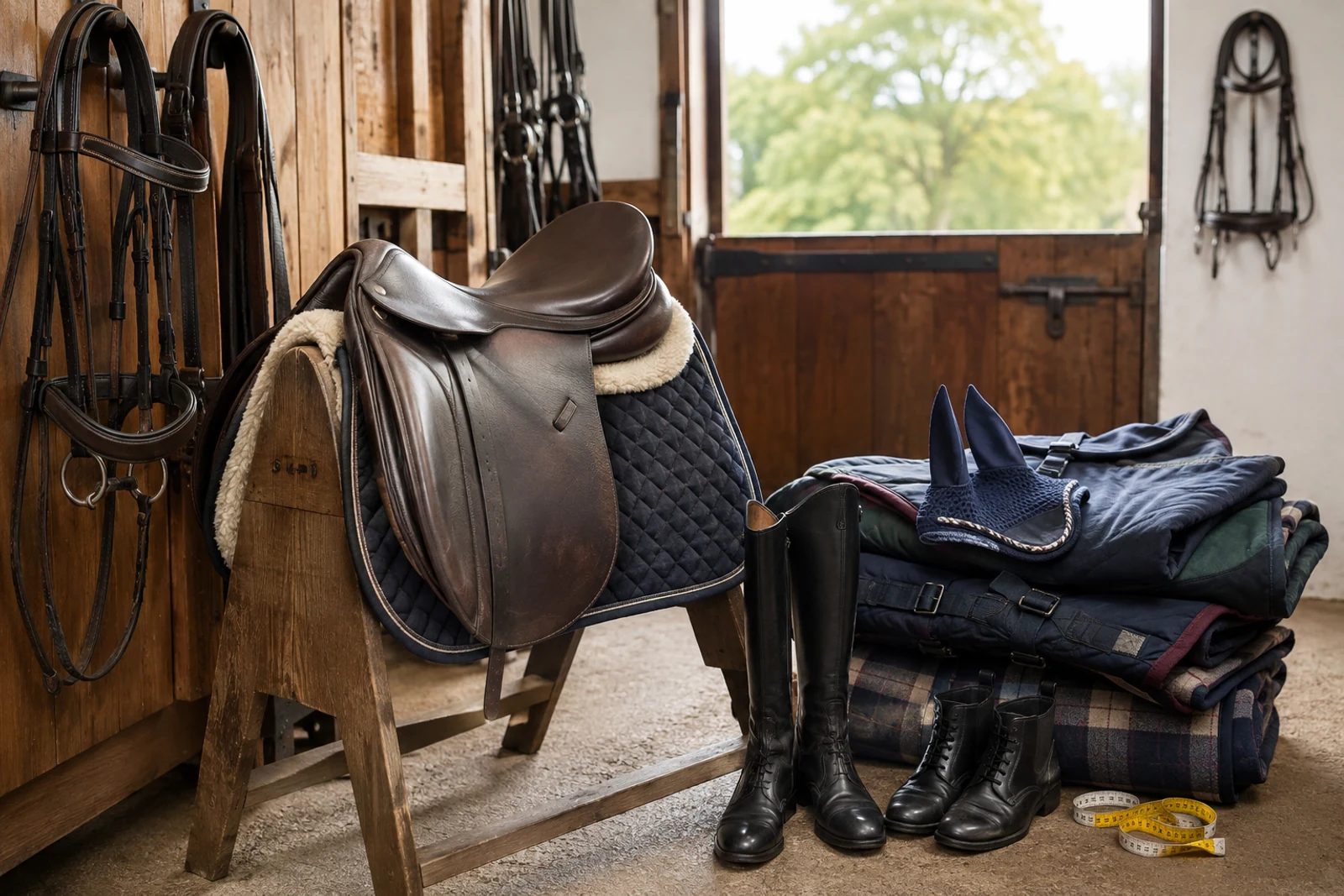
Photograph, measure and describe saddles, tack and riding equipment so buyers can assess fit, condition and safety.
Published 2 September 2026 - 5 min read
Used equestrian equipment can retain value when its size, history and condition are documented properly. Buyers need more than a polished photograph: saddle measurements, leather integrity, hardware condition and rug sizing can determine whether an item is suitable at all. Clean equipment according to its material, avoid cosmetic treatments that conceal cracking and never imply that safety-critical gear is fit for use when its history is uncertain.
Identify and measure each piece
Record the maker if clearly marked, model, seat or tree information, relevant widths and the measurement method used. Rug labels and riding boot sizes should be photographed, but also mention actual fit where sizing varies. For bridles and leatherwork, list removable components. Buyers can compare accurate measurements; descriptions such as cob size or medium alone may not be enough.
Photographs buyers expect
- Both sides and the underside
- Stitching, billets, buckles and fasteners
- Size stamps or labels
- Scratches, repairs and dry leather
Separate cosmetic wear from safety
Surface marks may be acceptable, but stretched holes, cracked load-bearing leather, damaged stirrup bars, distorted trees or impact history can affect safe use. Disclose repairs and who completed them if known. Riding hats and body protectors require particular caution because age, standards and unseen impacts matter; do not make safety assurances you cannot support.
Price bundles carefully
Compare like-for-like specifications and condition. A complete saddle package may be convenient, but forcing unrelated items into one bundle can reduce interest. Offer a clear total and, if willing, individual prices. State whether trial or return is available; private sellers should never imply a return arrangement they do not intend to honour. Specialist fitting remains the buyer’s responsibility.
Arrange inspection and shipping
A local inspection lets a buyer examine leather, stitching and fit information. If shipping, protect shape, wrap metal parts and use tracked packaging suitable for the value. Do not allow a buyer to remove equipment for a trial without a clearly agreed arrangement and appropriate security. For stable collection, keep private animal and property information out of the public ad.
Turn the preparation into a strong listing
When the item is ready, use the details you gathered to write a precise title, an honest description and a collection or delivery plan that a buyer can understand before contacting you. Browse comparable local ads before setting the price, then keep all early conversations in the platform until you are comfortable proceeding.
Final checklist
Recheck every measurement and disclose age, repairs, damage and uncertain history. Clean presentation is helpful, but traceable facts are what make an equestrian listing trustworthy. Package carefully, document the handover and encourage buyers to obtain qualified fitting or safety advice where appropriate.
Tags
More from Seller guides
10 min read
What Can I Sell Online in Ireland? A Room-by-Room Guide
A practical way to find saleable items around your home, decide what is worth listing and turn a clear-out into useful local ads.
11 min read
How to Sell Multiple Items Online Without Losing Track
A simple listing workflow for an Irish home clear-out, move or stock reduction, including batches, photos, pricing and buyer handovers.
9 min read
How to Prepare a Used Item for Sale Online: 30-Minute Checklist
Clean, test, measure and photograph a used item efficiently so buyers can understand its condition before they contact you.