
By LocalAds.ie Editorial Team
How to Sell a Used Sewing Machine in Ireland
Test, identify and photograph domestic sewing machines, overlockers and accessories for a confident second-hand sale.
Published 2 September 2026 - 5 min read
A sewing machine listing becomes much more valuable when buyers can see it stitch rather than simply see it switched on. Model identification, stitch quality, pedal condition and included feet all matter, while old thread or incorrect settings can make a sound machine appear faulty. Prepare a short sample on ordinary fabric, photograph the results and describe what you actually tested. If servicing is claimed, retain the dated evidence.
Identify the complete setup
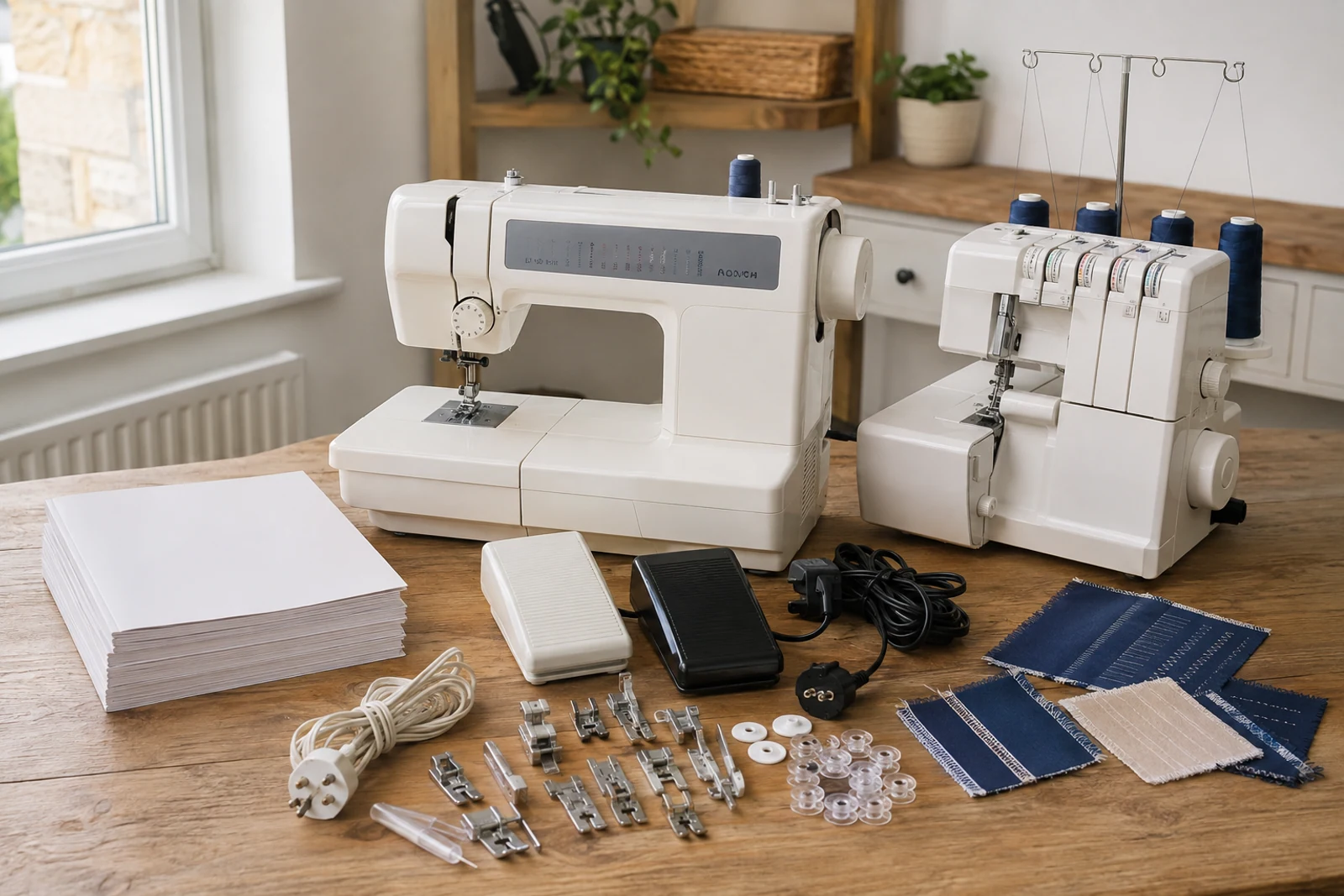
Photograph the model plate and record whether the machine is mechanical, electronic, computerised or an overlocker. List the pedal, power lead, extension table, cover, manual, bobbins and presser feet individually. Do not assume an accessory belongs to the machine just because it was stored nearby. Buyers value a complete inventory and can check compatibility before travelling.
Test before listing
- Straight and zigzag stitching
- Reverse, tension and feed
- Light, display and controls
- Pedal, cable and plug condition
Show stitch quality and flaws
Use contrasting thread on a plain fabric sample and photograph both sides. Mention skipped stitches, noise, stiffness, timing issues, damaged needle plates or missing spool pins. For an overlocker, state the number of threads used in the test and whether differential feed or cutting worked. Avoid opening electrical housings unless qualified to do so.
Set the price from model and support
Compare the exact model and included accessories, not just machines from the same brand. Recent professional service, a hard case or costly specialist feet may support value when documented. Unknown history, intermittent faults and unavailable parts should lower expectations. If the machine is vintage, distinguish decorative appeal from confirmed working condition.
Pack the machine safely
Collection is simplest because the buyer can inspect a stitch sample. For shipping, lower or remove the spool pin if the manual recommends it, secure loose parts separately and prevent the heavy machine moving inside the box. Double-box where appropriate and never rely on a carry case as shipping protection. Remove any fabric projects or personal notes before handover.
Turn the preparation into a strong listing
When the item is ready, use the details you gathered to write a precise title, an honest description and a collection or delivery plan that a buyer can understand before contacting you. Browse comparable local ads before setting the price, then keep all early conversations in the platform until you are comfortable proceeding.
Final checklist
Include the exact model, a complete accessory list, a photographed stitch test and every known fault. A buyer should understand whether the machine is ready to sew, needs adjustment or is being sold for parts. Honest testing supports a fairer price and fewer disputes.
Tags
More from Seller guides
10 min read
What Can I Sell Online in Ireland? A Room-by-Room Guide
A practical way to find saleable items around your home, decide what is worth listing and turn a clear-out into useful local ads.
11 min read
How to Sell Multiple Items Online Without Losing Track
A simple listing workflow for an Irish home clear-out, move or stock reduction, including batches, photos, pricing and buyer handovers.
9 min read
How to Prepare a Used Item for Sale Online: 30-Minute Checklist
Clean, test, measure and photograph a used item efficiently so buyers can understand its condition before they contact you.