
By Local Ads Editorial Team
How to Sell a Used Trailer in Ireland
List a utility, box or equipment trailer with exact dimensions, weight information, coupling details, tyre condition and honest road-readiness evidence.
Published 3 September 2026 - 5 min read
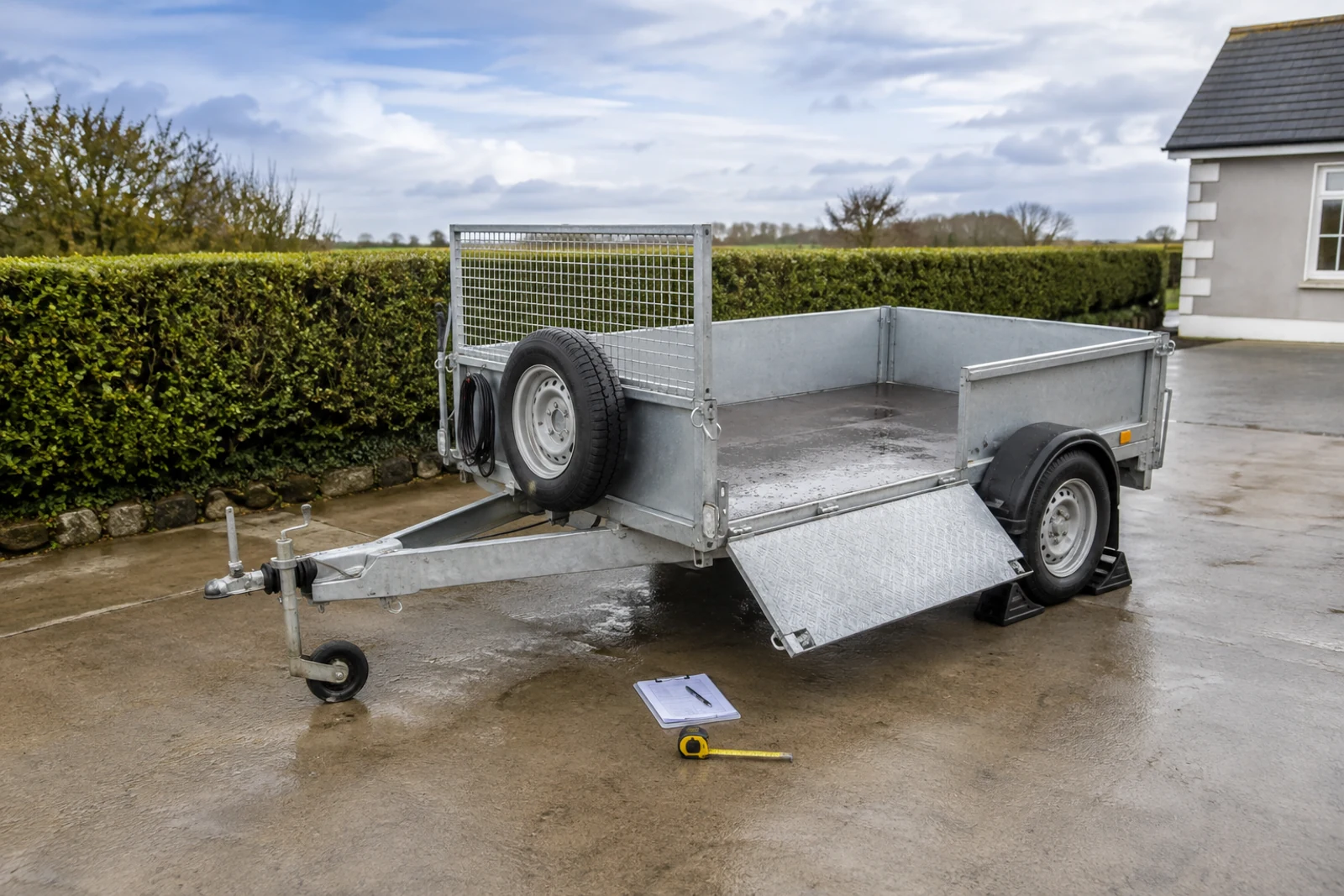
A trailer is simple only until a buyer asks about plated weight, load area, brakes, coupling, tyres, bearings and compatibility. Accurate answers determine whether the buyer can tow and use it appropriately. A strong Irish listing therefore shows the complete chassis and records measurements from the actual trailer rather than copying specifications from a similar-looking model. Clean enough dirt to expose structure and identifiers, but do not repaint corrosion or conceal repairs immediately before photography. The buyer should be able to distinguish cosmetic age from faults that need attention before any road journey.
Identify type, dimensions and documented limits
State whether the trailer is unbraked or braked and whether it is an open utility, box, plant, tipping, boat or specialist design. Record overall length and width, usable bed dimensions, side height, coupling type and unladen or gross figures only where supported by a plate or documentation. Do not calculate a safe payload from guesswork. Photograph the manufacturer plate with unnecessary serial digits covered and invite buyers to confirm suitability for their vehicle and intended load independently.
Specification checklist
- Measure overall size and usable load area separately.
- Photograph the plate and coupling type.
- List ramps, cage sides, cover and spare wheel.
- Never promise towing suitability for a buyer's vehicle.
Inspect the frame from coupling to rear lights
Photograph drawbar, welds, chassis rails, floor, hinges, latches, suspension, axle, mudguards and rear structure. Disclose bent sections, perforation, replacement welds, soft timber, damaged tie points and modifications. Surface marks on galvanising differ from structural corrosion, so use close photographs and restrained language. If the trailer tips or has a ramp, demonstrate the mechanism only when safely supported and keep hands clear of pinch points.
Structural evidence
- Show the underside where safely accessible.
- Identify non-original welding or drilled mounting points.
- Test every latch and support leg.
- Do not photograph an unsafe raised bed without proper support.
Describe tyres, bearings, brakes and electrics precisely
Record tyre size, visible date markings, tread and cracking on every fitted wheel, including the spare. Explain when bearings were last serviced and whether noise or play was checked. For braked trailers, note the observed condition of overrun components, cables, handbrake and breakaway equipment without presenting a casual check as certification. Connect the lights to a compatible vehicle or tester and state which functions worked. An intermittent lamp should be described as a fault, not working after one successful flash.
Road-system checks
- Photograph all tyres rather than the best one.
- State bearing and brake service dates when supported.
- Test indicators, tail, brake and marker lights.
- Disclose plug adapters and damaged cable insulation.
Set price using condition and usable specification
Compare trailers with the same load dimensions, braking system, construction and supported weight class. Accessories such as mesh sides, secure covers and purpose-made ramps add value only when complete and serviceable. Recent tyres or bearing work can support a price, while an unknown plate or damaged floor increases uncertainty. State whether tax or business-sale terms apply where relevant and whether the trailer is sold as a repair project, storage trailer or road-use item based on evidence rather than optimism.
Fair comparison factors
- Match braked with braked and similar capacity.
- Value accessories from their present condition.
- Separate documented servicing from seller inspection.
- Explain repair needs before discussing offers.
Control collection and handover
Meet on level ground with the trailer empty and safely chocked. The buyer should arrive with a compatible tow vehicle, number-plate arrangement, electrical connection and any insurance or legal requirements addressed independently. Do not allow an unsuitable vehicle to remove the trailer because collection has already been agreed. Confirm payment in your own account, record the trailer and included equipment on a receipt, and remove your own locks, trackers or identifying property only after completion.
Collection-day checks
- Reconfirm coupling and plug compatibility.
- Keep the trailer chocked during inspection.
- Count ramps, keys and accessories together.
- Release the trailer only after cleared payment.
The practical takeaway
A trailer listing should answer the practical questions that decide a safe purchase: what it is, what dimensions and limits can be supported, what condition the structure and running gear are in, and how it will leave. Precise evidence attracts suitable buyers and reduces the risk of an unsuitable tow vehicle arriving for collection.
Tags
More from Seller guides
10 min read
What Can I Sell Online in Ireland? A Room-by-Room Guide
A practical way to find saleable items around your home, decide what is worth listing and turn a clear-out into useful local ads.
11 min read
How to Sell Multiple Items Online Without Losing Track
A simple listing workflow for an Irish home clear-out, move or stock reduction, including batches, photos, pricing and buyer handovers.
9 min read
How to Prepare a Used Item for Sale Online: 30-Minute Checklist
Clean, test, measure and photograph a used item efficiently so buyers can understand its condition before they contact you.