
By LocalAds.ie Editorial Team
How to Sell Used Warehouse Racking and Equipment
Inventory, measure and dismantle commercial racking and handling equipment for a safer business clearance sale.
Published 2 September 2026 - 5 min read
Warehouse equipment is rarely a single simple item. Racking includes frames, beams, bracing, decking, guards, fixings and load information, while handling equipment needs its own condition record. Buyers must be able to estimate compatibility, quantity, dismantling labour and transport. Count and measure everything before advertising, and never represent a reused installation as safe for a new site without competent design and inspection.
Build an exact inventory
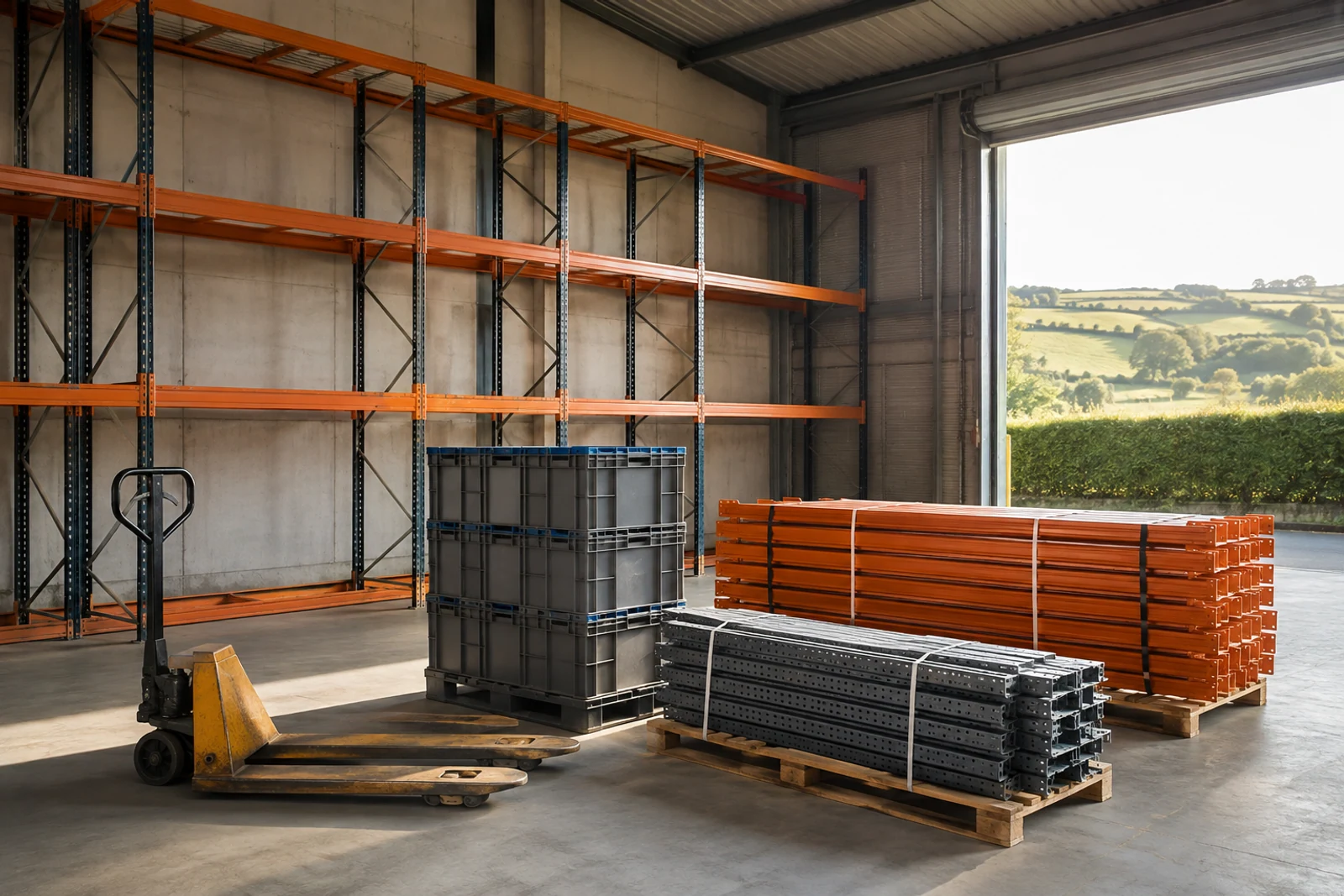
Separate uprights, beams, shelves, mesh decks, protectors and fixings by type and size. Record quantities, section dimensions, finish and visible identification marks. Photograph complete bays before dismantling and grouped components afterward. If load notices or design documents exist, include their availability without claiming they automatically apply to a different configuration or premises.
Commercial listing details
- Component dimensions and counts
- Original configuration photographs
- Damage, rust and repairs
- Dismantled or buyer-removal status
Inspect for material damage
Bent uprights, damaged connectors, modified beams, corrosion and impact marks must be disclosed. Do not straighten or repaint structural damage to improve photographs. Pallet trucks, stackers and lifts need separate model, capacity, service and battery details. State clearly when equipment is untested. Buyers should arrange competent inspection before placing reused systems into service.
Price lots for useful buyers
Compare component systems and quantities, not merely floor area. Complete compatible lots may command more than mixed surplus, while small businesses may prefer modular batches. Decide whether to sell as one clearance, by bay or by equipment type and explain minimum quantities. State VAT and invoice treatment correctly for the seller’s actual business circumstances.
Manage dismantling and collection
Define who isolates equipment, works at height, supplies lifting machinery and removes anchors or waste. Buyers should not begin unsupervised dismantling in an active premises. Set collection windows, loading rules and vehicle access in writing. Protect staff and stock by separating the sale area, and verify payment before commercial equipment leaves the site.
Turn the preparation into a strong listing
When the item is ready, use the details you gathered to write a precise title, an honest description and a collection or delivery plan that a buyer can understand before contacting you. Browse comparable local ads before setting the price, then keep all early conversations in the platform until you are comfortable proceeding.
Final checklist
Count, measure and photograph every racking component, disclose structural damage and make no unsupported load claims. A clear lot structure and written removal plan will attract better-prepared buyers while keeping safety central to the clearance.
Tags
More from Seller guides
10 min read
What Can I Sell Online in Ireland? A Room-by-Room Guide
A practical way to find saleable items around your home, decide what is worth listing and turn a clear-out into useful local ads.
11 min read
How to Sell Multiple Items Online Without Losing Track
A simple listing workflow for an Irish home clear-out, move or stock reduction, including batches, photos, pricing and buyer handovers.
9 min read
How to Prepare a Used Item for Sale Online: 30-Minute Checklist
Clean, test, measure and photograph a used item efficiently so buyers can understand its condition before they contact you.