

By Local Ads Editorial Team · Irish Marketplace Guides
Moving House in Ireland: What to Sell, Donate, Give Away or Recycle
A six-week plan for reducing moving volume, selling worthwhile items locally and arranging responsible donation, giveaway and recycling.
Published 6 August 2026 · Reviewed 20 August 2026 · 11 min read
Moving charges you twice for clutter: once in packing time and again in vehicle space, storage or lifting. The best time to decide what should leave is several weeks before the move, while there is enough time to sell valuable items and use responsible donation or recycling routes for the rest. Do not publish your exact moving date, empty-property period or new address in a listing. This plan separates high-value sales from fast clear-out decisions and builds collection deadlines around the move rather than hoping every item finds an ideal buyer.
Six weeks out: measure the next home
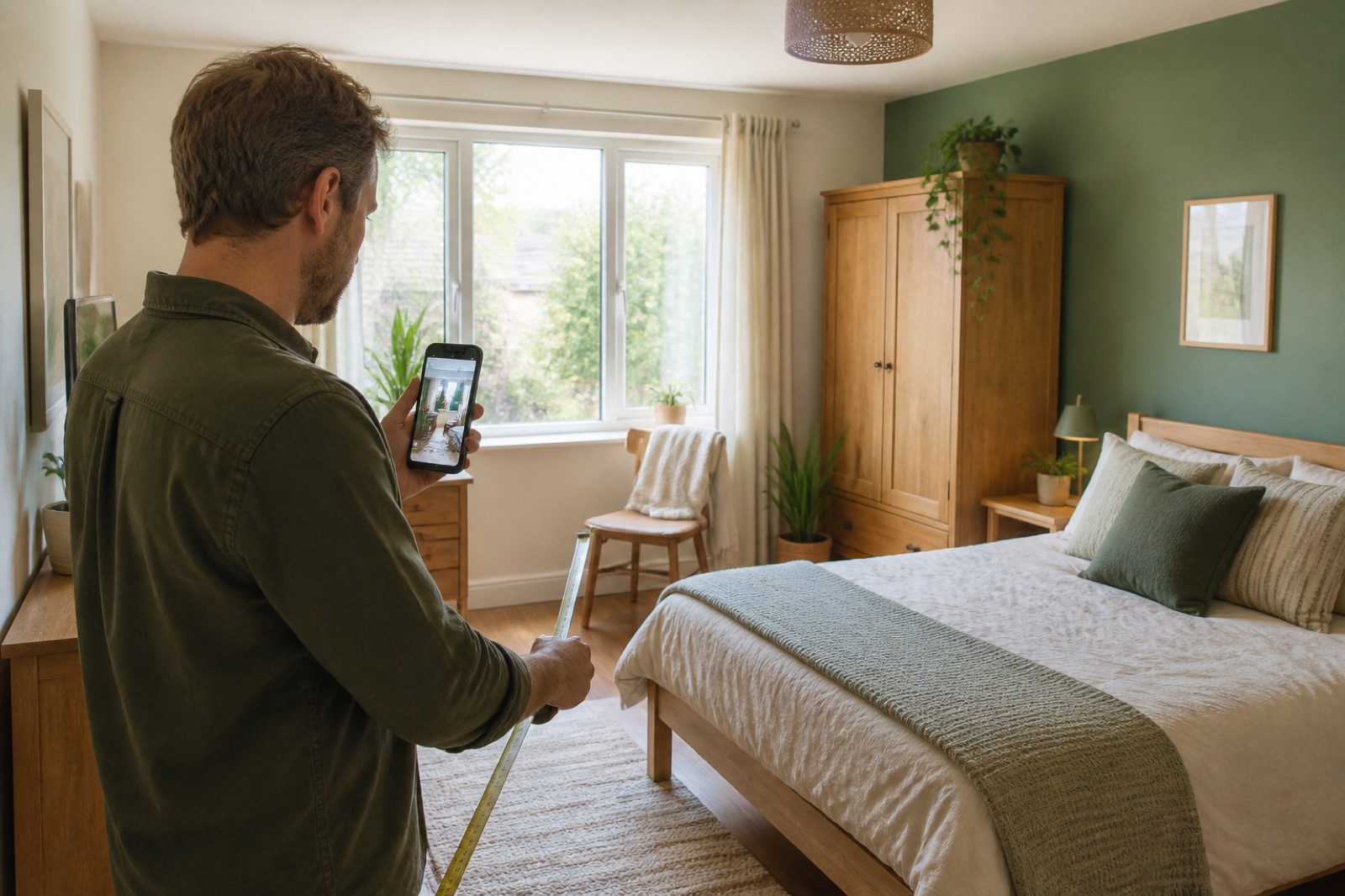
Use floor plans and confirmed measurements to identify furniture and appliances that genuinely fit. Consider access, stairs, built-in storage, electrical or plumbing arrangements and what is already supplied. Create a keep list based on the new space, not the current room. Photograph and measure likely sale items now, especially bulky goods that need time to reach a local buyer. Avoid selling essentials too early unless replacements are already available.
Early decisions
- Furniture larger than the next room or access route.
- Duplicate appliances or items included with the new property.
- Garden equipment unsuitable for the next outdoor space.
- Stored hobby, office and baby equipment no longer used.
- Hazardous, perishable or restricted goods movers cannot transport.
Four weeks out: list the highest-value items
Prioritise goods whose likely return justifies individual photography and messages: quality furniture, recent appliances, electronics, tools, bicycles and specialist equipment. Use exact dimensions, honest condition and a collection deadline. State that the buyer must bring suitable transport and lifting help where necessary. Keep enough flexibility to demonstrate appliances safely before disconnection. Price from current local alternatives and the increasing value of certainty as moving day approaches.
A move-ready listing
- Exact item, brand, model and dimensions in the title or first lines.
- Original photographs including damage and access context.
- Latest collection date without revealing the household's wider schedule.
- Floor level, lift, parking and dismantling information.
- Clear statement of what the buyer must bring.
Two weeks out: bundle, donate and give away
Reduce the time spent on low-value individual ads. Bundle related kitchenware, children's items, books or garden pots in quantities one person can collect. Contact charities before travelling because acceptance, condition and collection capacity vary. Give usable bulky goods away with a controlled appointment rather than publishing an unattended address. If no reliable collector appears by the deadline, move immediately to the planned donation or recycling route.
Fast-clear rules
- Bundle by use or size and disclose every component's condition.
- Confirm donation acceptance before loading a vehicle.
- Offer free goods only when they are safe and genuinely reusable.
- Use one confirmed collector and a backup rather than several addresses shared.
- Set a final decision date for every remaining item.
Final week: protect access and essential routines
Stop creating new appointments that could disrupt movers, cleaners or key handover. Keep sold items labelled and physically separate from packed possessions. Do not let collectors enter rooms containing open boxes, documents or valuables. Confirm payment and collection details directly, then mark ads unavailable. Retain the appliances, cleaning equipment, seating and tools needed until their planned handover time rather than clearing the house in a sequence that makes the final days harder.
Final-week controls
- One calendar for buyer, charity, waste and mover appointments.
- Sold items labelled with buyer and collection slot.
- Private documents, keys and medicines packed away first.
- Collection route kept separate from packed valuables.
- Backup disposal plan confirmed before keys are handed over.
Recycle and dispose responsibly
Some items are not fit to sell, donate or give away. Use local-authority and authorised waste guidance for electrical goods, batteries, paint, chemicals, mattresses and other controlled streams. Retailer take-back may apply in some circumstances, but check current terms before relying on it. Do not disguise waste as a free item. The EPA describes reuse as keeping products in use for their original purpose; where safe reuse is no longer possible, responsible treatment is the better outcome.
Responsible exit
- Separate electrical goods, batteries and hazardous household materials.
- Use authorised collectors and facilities appropriate to the waste type.
- Remove personal data from every device before reuse or recycling.
- Keep receipts where a landlord, business or regulated disposal requires them.
- Never abandon goods outside a charity or new property occupant's home.
The practical takeaway
A move creates a firm deadline, which is useful when every item has a planned destination. Sell valuable goods early, bundle and donate in the middle, then stop taking risks for small returns during the final week. Protect precise address and schedule details throughout. The goal is not to earn money from every possession; it is to arrive with the things that fit the next home and leave the rest through a safe, responsible route.
Tags
More from Property and renting
 Property and renting
10 min read
How to advertise a room to rent clearly in Ireland
Create a useful room advert with accurate costs, household details, photographs, viewing arrangements and privacy-conscious communication.
 Property and renting
3 min read
Seven questions to ask before renting a room in Ireland
Use this viewing checklist to understand costs, house rules, condition and practical arrangements before making a commitment.
 Property and renting
3 min read
Property photo setup for first-time renters and buyers
A simple way to make apartment and house ads clearer and more trustworthy from day one.