
By Local Ads Editorial Team
How to Sell Used Salon and Barber Equipment in Ireland
List styling chairs, wash units, mirrors and salon furniture with dimensions, condition, utility requirements and hygienic preparation.
Published 3 September 2026 - 5 min read
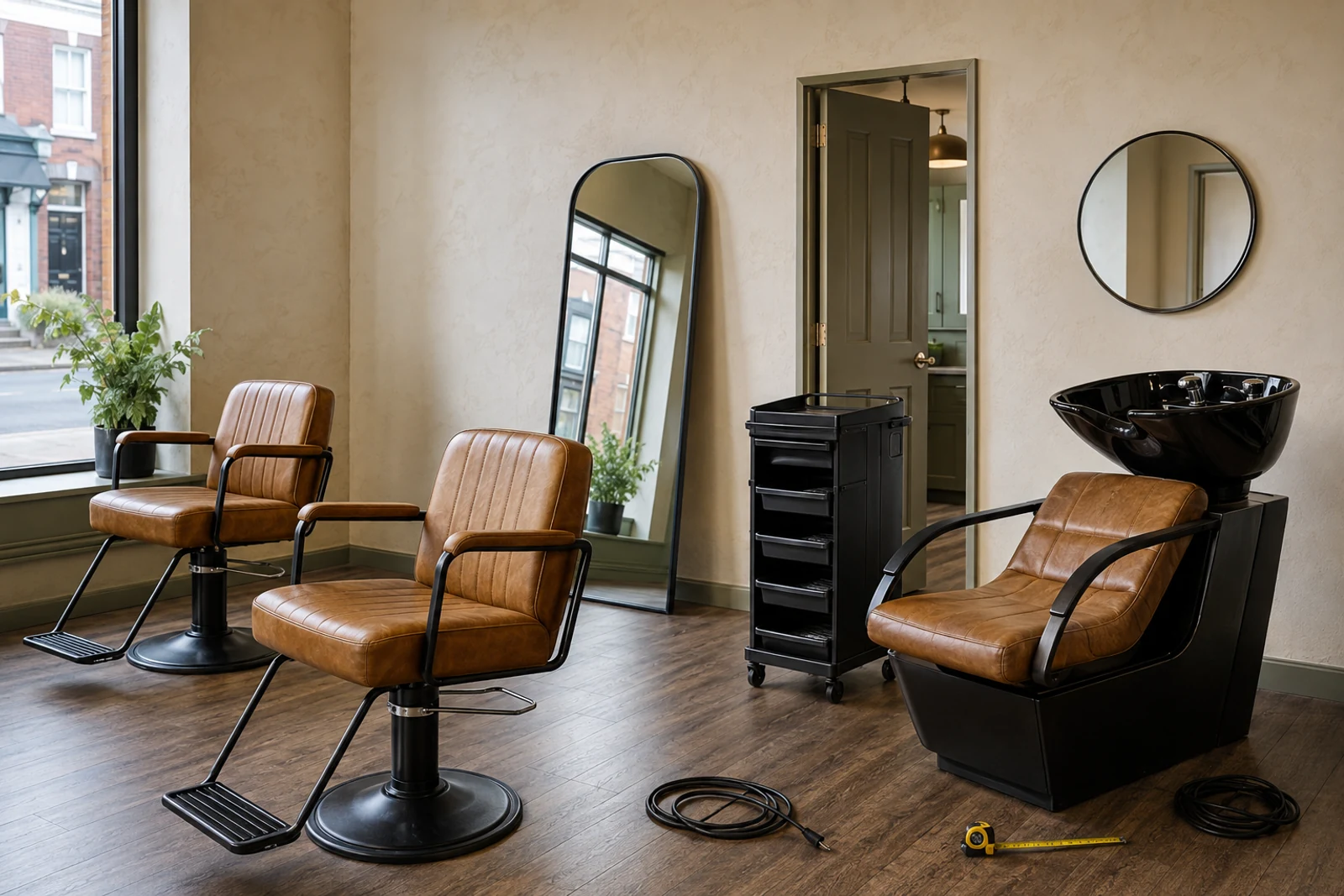
Salon and barber equipment sits between furniture, plumbing, electrics and customer-facing presentation. Buyers need to know whether a chair adjusts, a wash unit connects to their services, upholstery can be hygienically maintained and large mirrors can leave the premises safely. A polished photograph helps, but dimensions, test status, access and visible wear determine the real installed value. Sellers closing or refitting a premises should inventory each item before contractors disconnect anything, then distinguish equipment operating in place from equipment stored and untested.
Create an item schedule before dismantling
Give each chair, wash unit, mirror, trolley, dryer and reception item a simple reference. Record manufacturer, model, quantity, width, depth, height, adjustment range and included fittings. For matching sets, note colour and wear differences rather than using one chair to represent all. Photograph connections and mounting points before removal so the buyer can understand what is included, while keeping the building's security and private business information outside the frame.
Inventory essentials
- Number items consistently across photos and prices.
- Measure the widest point and installed footprint.
- List brackets, footrests, basins and hoses.
- Update quantities immediately after partial sales.
Inspect upholstery, hydraulics and moving parts
Photograph seat, back, arms, seams, base and footrest in neutral daylight. Disclose dye transfer, cuts, peeling, weak stitching, wobble and corrosion. Test chair lift, recline, locks and rotation through their normal range without overloading or dismantling pressure systems. A chair that rises once may still sink under use, so describe the duration and scope of the check. Replacement upholstery or parts should be identified rather than presented as original.
Chair condition checks
- Show high-contact surfaces closely.
- Test adjustment and stability on level flooring.
- State whether the hydraulic lift holds position.
- Identify repaired frames and replacement coverings.
Explain water, waste and electrical requirements
For wash units, show basin, mixer, spray hose, trap and accessible connection points, and state whether leaks were observed during a recent test. Record whether hot water, pumps or specialist fittings are included. For dryers, lamps and powered furniture, photograph data plates and inspect plugs and cables, but do not claim electrical safety certification from a visual check. Fixed plumbing and wiring should be disconnected and installed by appropriately competent people.
Utility information
- Photograph connections before competent disconnection.
- State exactly when water and powered functions were tested.
- List pumps, adapters and controls included.
- Do not promise compatibility with another premises.
Prepare hygienically without hiding condition
Remove hair and ordinary product residue using methods suitable for each surface. Disclose staining, persistent odour, chemical damage and areas that cannot be fully cleaned. Replace or discard disposable and single-user items rather than adding them to a bundle. Sharps, chemicals, aerosols and opened cosmetics should be managed through appropriate channels and should not be included casually to make a job lot appear larger.
Responsible preparation
- Clean seams, wheels and hidden contact areas.
- Keep opened products and sharps out of the sale.
- Do not paint over corrosion before inspection.
- Allow items to dry before wrapping or storage.
Plan access, removal and business terms
Measure stairs, doors and the route from each item to the loading point. Large mirrors, ceramic basins and heavy chair bases may require specialist handling. Explain floor level, parking and collection hours, and schedule buyers so a closing business remains secure. State unit and bundle prices clearly and explain invoice or tax treatment where applicable. Confirm payment independently and record the exact references collected.
Collection plan
- Protect mirrors and basins with appropriate packing.
- Agree who dismantles fixed furniture.
- Keep customer records and restricted rooms inaccessible.
- Reconcile the inventory before the buyer leaves.
The practical takeaway
Used salon equipment sells best as documented business equipment rather than a vague clearance. A numbered inventory, functional checks, hygienic disclosure, utility details and measured removal route help a new salon calculate installation realistically and collect without damaging the items or premises.
Tags
More from Seller guides
10 min read
What Can I Sell Online in Ireland? A Room-by-Room Guide
A practical way to find saleable items around your home, decide what is worth listing and turn a clear-out into useful local ads.
11 min read
How to Sell Multiple Items Online Without Losing Track
A simple listing workflow for an Irish home clear-out, move or stock reduction, including batches, photos, pricing and buyer handovers.
9 min read
How to Prepare a Used Item for Sale Online: 30-Minute Checklist
Clean, test, measure and photograph a used item efficiently so buyers can understand its condition before they contact you.