
By Conor O'Donnell · Seller Guides Editor
How to collect bulky second-hand items safely
Plan measurements, access, lifting, transport and payment before collecting furniture, appliances or garden equipment from a local seller.
Published 12 August 2026 · Reviewed 12 August 2026 · 8 min read
Measure the complete journey, not just the item
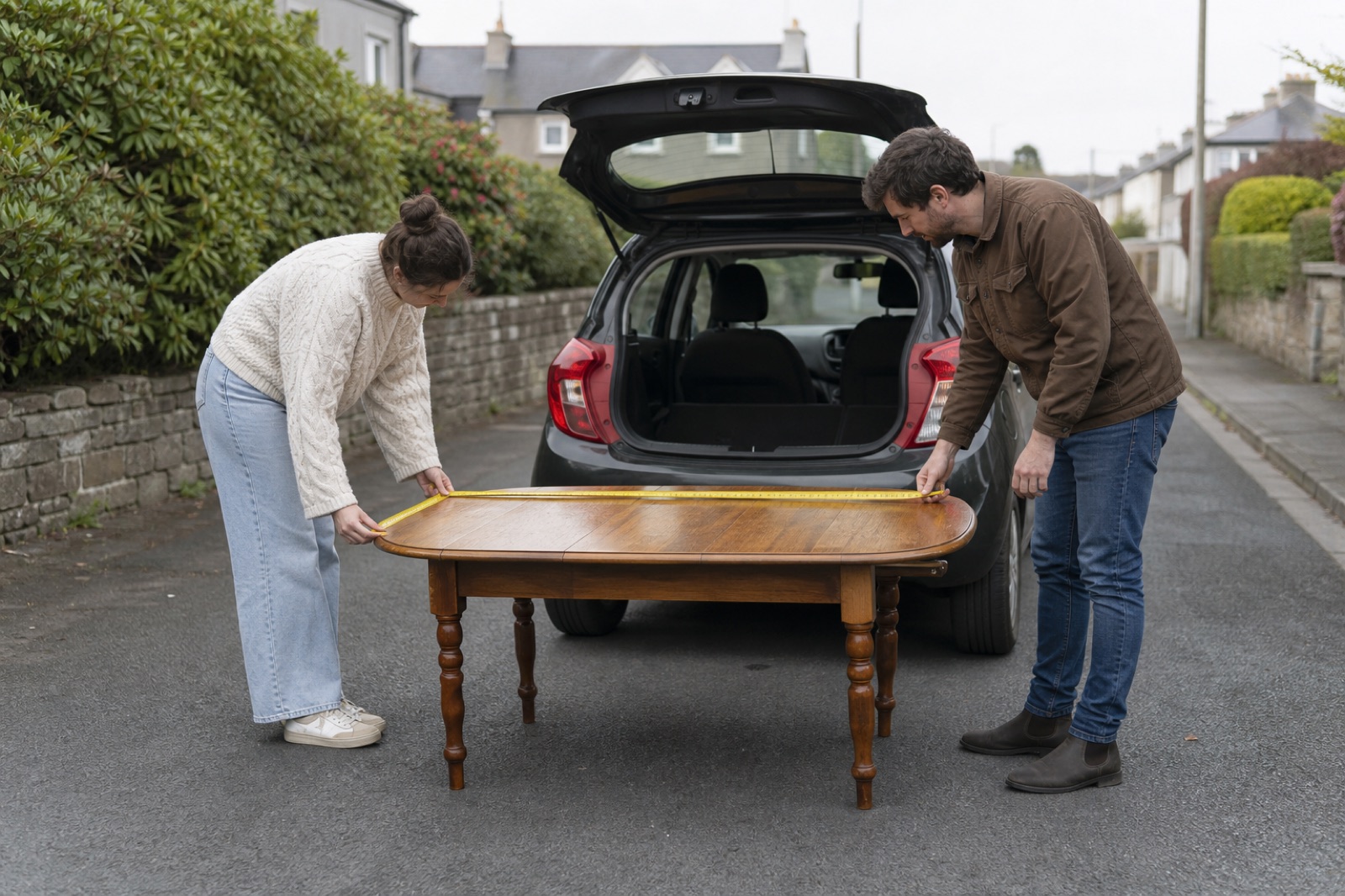
A wardrobe can fit inside a van and still fail to pass through a stairwell. Ask for the item's height, width, depth and approximate weight, then measure doors, turns, lifts and vehicle openings at both ends. Confirm whether legs, doors or shelves can be removed and whether the seller has the correct tools. Photographs of access points can prevent a wasted journey, but they should not expose unnecessary private details about either home.
Agree these details before leaving
- The exact item, included parts, condition and final agreed price.
- Collection time, public meeting instructions where possible and who will be present.
- Floor level, parking distance, stairs, narrow doors and lift restrictions.
- Who will dismantle, lift, load and secure the item.
- Whether the item can be tested before it leaves the property.
Bring suitable people and equipment
Do not rely on the seller being able to lift. Bring enough capable adults, work gloves, blankets, straps and a trolley appropriate to the load. Use a vehicle rated for the weight and secure the item so it cannot move under braking. Do not carry an unsecured object with a boot or door open unless the vehicle, load and markings comply with road-safety requirements. If specialist moving equipment is needed, arrange it rather than improvising at the collection address.
Inspect before the item is loaded
Compare the item with every photograph and inspect the areas most likely to be hidden once it is in the vehicle. For furniture, check joints, undersides, odour, damp, pests and upholstery. For appliances, inspect the plug, cable, seals and visible damage, then request a safe demonstration if one is possible. Garden machinery may require fuel, battery and safety-control checks. Never ask an unqualified person to energise damaged equipment merely to complete a sale.
Stop the collection if
- The item is materially different, damaged or incomplete compared with the advert.
- The seller will not allow a reasonable inspection before payment.
- The location or person changes at the last minute without explanation.
- Access makes lifting unsafe or the load cannot be secured correctly.
- You feel pressured to enter a private space or continue despite a safety concern.
Make the handover clear
Pay only after you have inspected the agreed item. For valuable goods, record the item, amount, date and parties on a receipt. Photograph its condition with permission before transport, especially if a third-party mover is involved. Once loaded, check straps after the first short section of the journey. The buyer and seller should also agree what happens to loose fixings, manuals, keys and detachable parts so nothing important is left behind.
Good collection planning is part of the purchase decision. Transport, extra labour, repairs and disposal of an unsuitable item can turn an apparent bargain into an expensive mistake. Set a complete budget before making an offer and be willing to postpone if the vehicle, help or access information is not ready. A calm, documented handover is safer and usually faster than solving avoidable problems at the door.
Tags
More from Buyer safety
 Buyer safety
10 min read
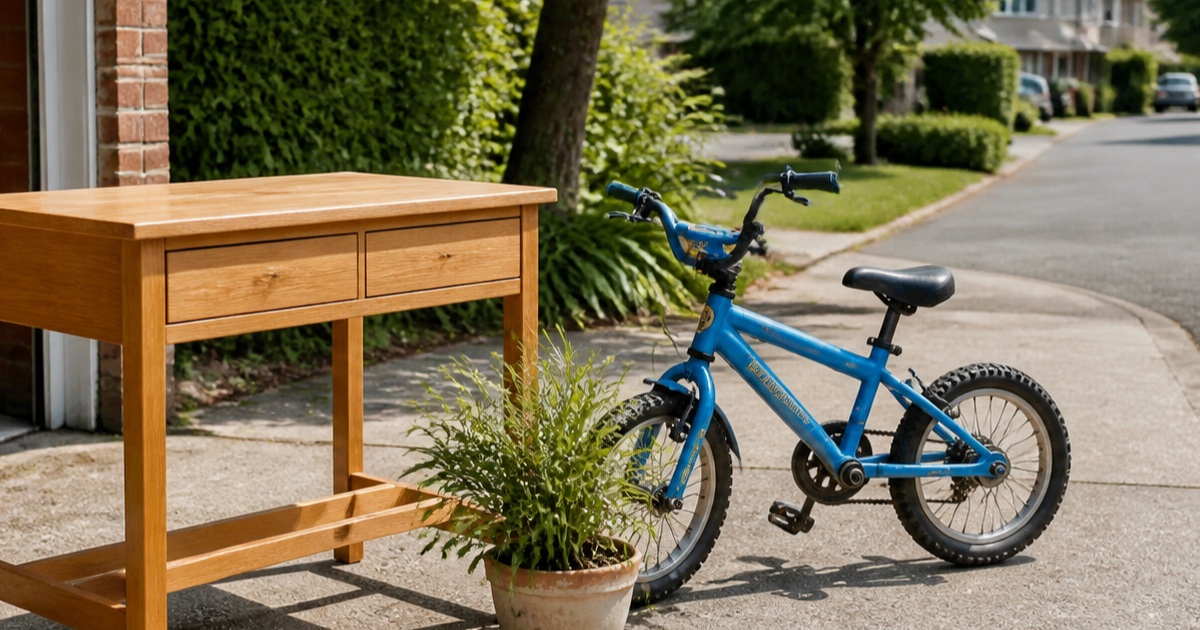
Free Stuff in Ireland: How to Give Away and Collect Items Safely
A practical guide to giving away usable items and arranging free local collections without creating unnecessary safety or privacy risks.
 Buyer safety
10 min read
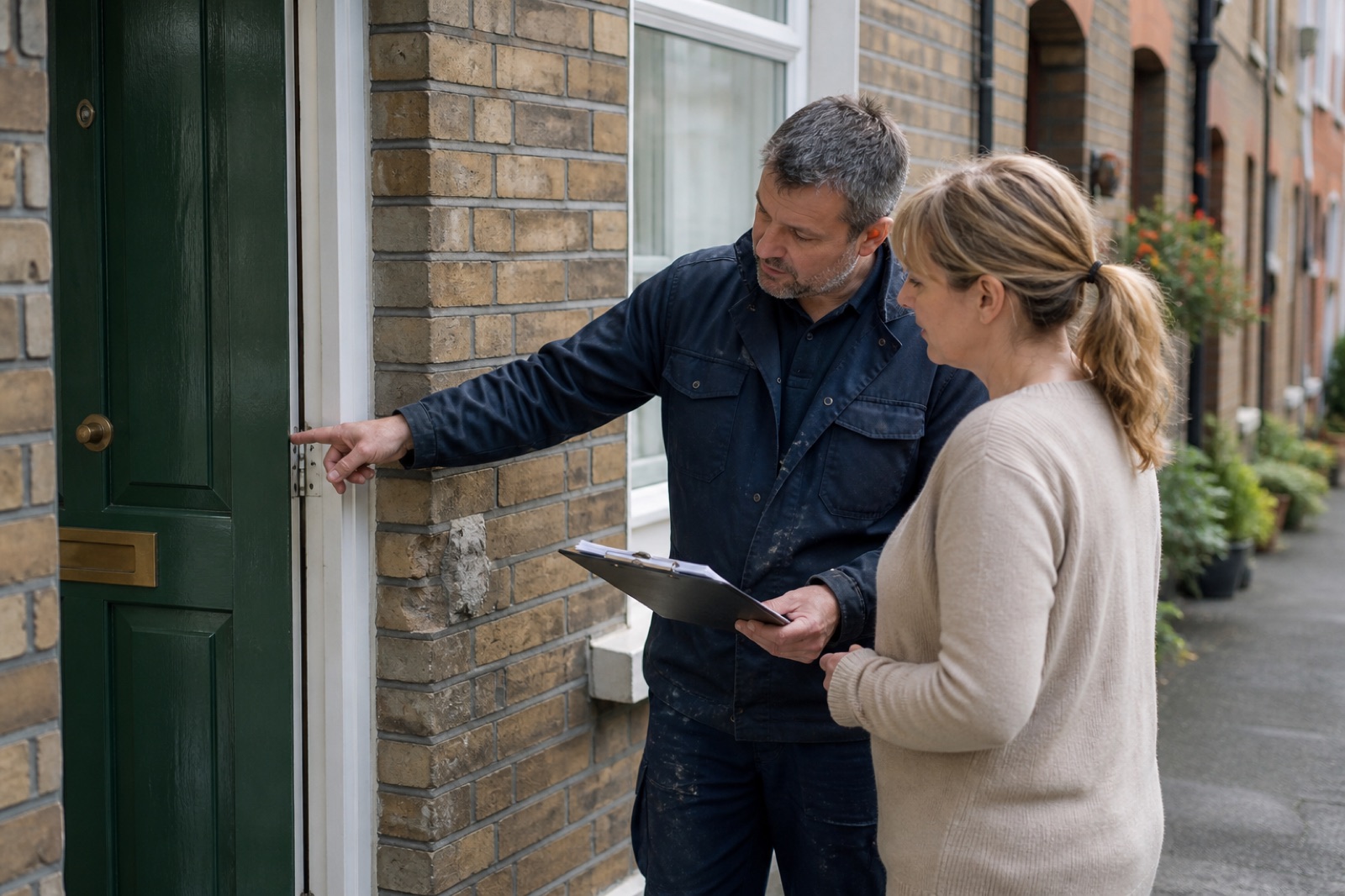
How to choose a local tradesperson in Ireland
Compare qualifications, references, written quotes, insurance and payment stages before hiring someone for work in your home.
 Buyer safety
10 min read
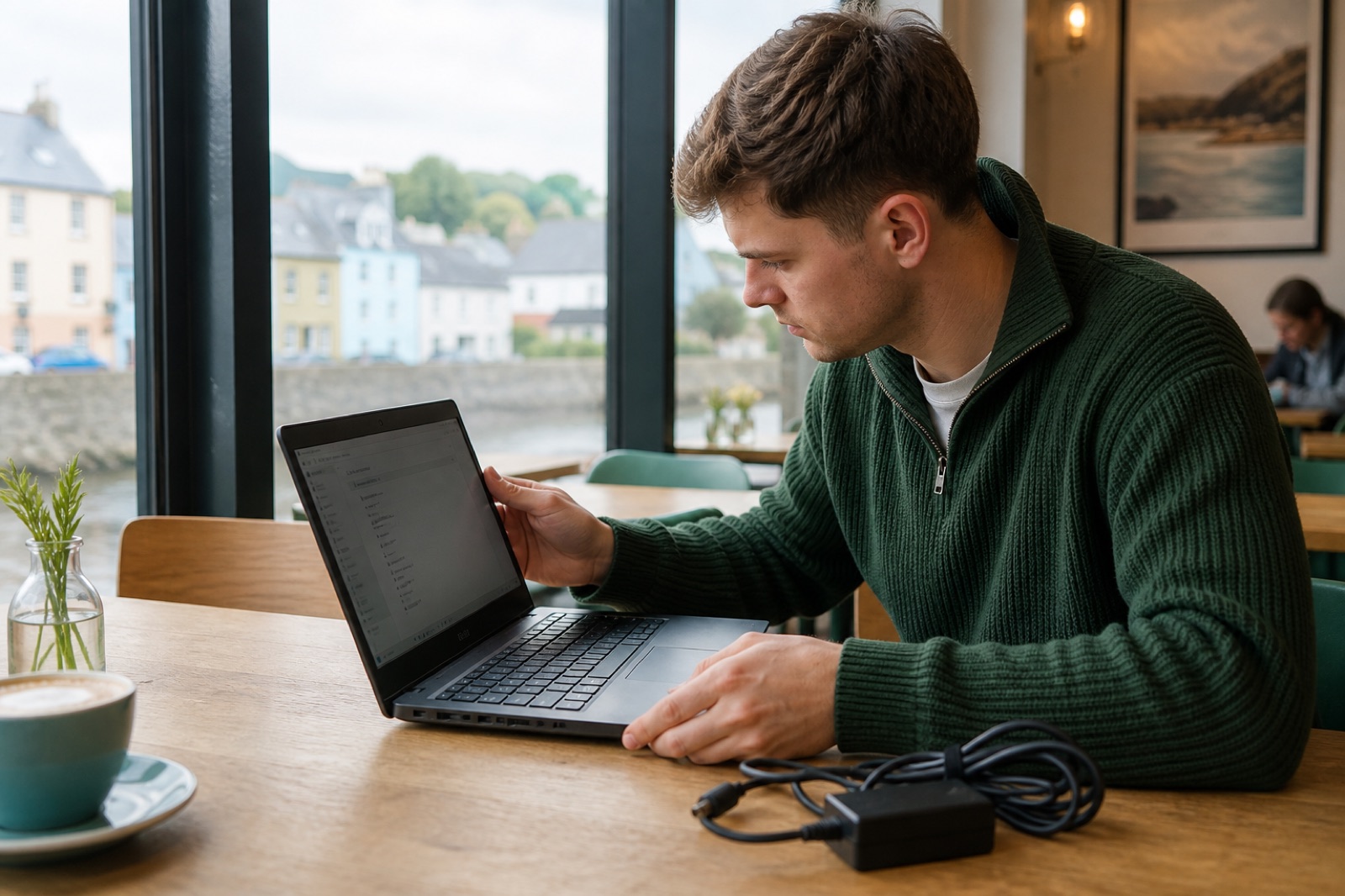
How to check a used laptop before buying in Ireland
Inspect battery health, accounts, storage, ports and physical condition with this practical checklist before paying for a second-hand laptop.