
By Local Ads Editorial Team · Irish Marketplace Guides
How to Clear a Garage or Shed and Sell the Contents in Ireland
A staged Irish plan for sorting, testing, grouping and listing tools, storage, garden items and hobby equipment from a garage or shed.
Published 22 August 2026 · Reviewed 25 August 2026 · 14 min read
Garages and sheds collect unfinished projects, duplicate tools, garden machines, shelving, spare materials and unidentified boxes. Trying to sell everything at once usually creates a weak listing and an unsafe workspace. A better clear-out moves in stages: protect hazardous items, establish ownership, identify and test valuable equipment, bundle useful low-value items and create a collection zone away from the rest of the property. LocalAds.ie can give each coherent category its own route to nearby buyers instead of asking one person to understand an entire mixed shed.
Make the space safe before deciding value
Open access and lighting, wear suitable protection and separate fuels, chemicals, gas cylinders, damaged batteries, sharp waste and unknown containers. These products may require authorised disposal or specialist transfer and should not be casually included in a classified bundle. Keep fire exits and electrical panels clear. Identify items owned by employers, relatives or neighbours and obtain permission before sale. Do not start untested engines or energise damaged equipment in a cluttered space. Safety triage comes before photography, and responsible disposal is a successful outcome for things that should not re-enter use.
Sort into sell, bundle, donate, recycle and dispose
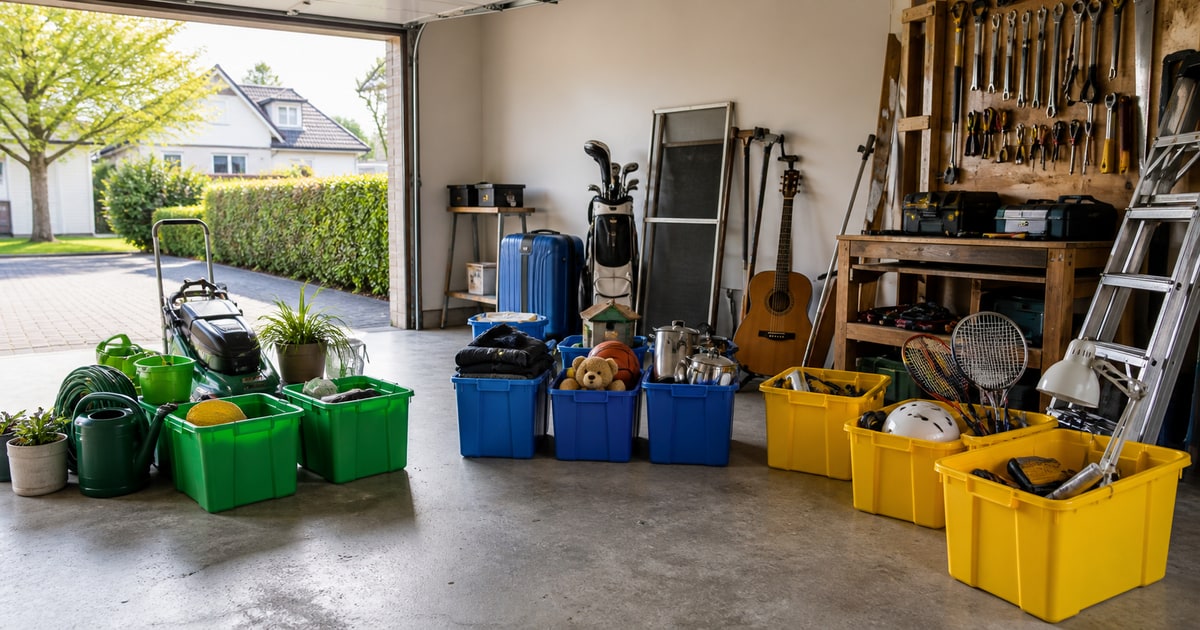
Create physical zones and make decisions category by category. Valuable working tools, machines, cabinets and hobby equipment deserve individual inspection. Common hand tools, fixings and pots can become coherent bundles. Usable low-value household goods may suit donation, while scrap and broken items need the correct route. Avoid a maybe pile that simply relocates clutter. Set a deadline and minimum value below which a separate listing is not worth the messaging and collection time. Photograph each completed sale group before another category spreads into its space.
Identify and test without improvisation
Find model plates, manuals, keys, chargers, guards and attachments. Test only equipment you can operate safely and state the exact result. Long-stored petrol machines, compressors, electrical tools and ladders require particular caution. Inspect for corrosion, perished cables, leaks, cracks and missing safety parts. Do not make temporary cosmetic repairs to raise the price. For unknown spares, measure dimensions and photograph markings rather than guessing compatibility. An accurately described untested part can reach a knowledgeable buyer; a false claim wastes time and may transfer risk.
Design bundles around a buyer's project
Group compatible clamps, masonry tools, gardening hand tools, painting supplies or storage bins rather than mixing unrelated objects. List every major component and count consumables approximately but honestly. Keep premium brands or specialist pieces out of a low-value bundle until researched. Materials such as tiles, timber or insulation need dimensions, quantity, storage condition and confirmation that they remain suitable for reuse. Do not present opened, expired or contaminated products as new. A bundle should save the buyer effort, not make them take your waste.
Create a repeatable listing station
Set up a clean wall or bench with daylight, tape measure, cloth, labels and boxes. Photograph overview, model, condition, accessories and defects for each group, then move it to a labelled collection area. Use an inventory code in your notes so messages match the correct item. Publish through the specific Local Ads category rather than posting dozens of items under a generic heading. Stagger listings if you cannot manage simultaneous enquiries. Accurate availability is part of good service; remove sold items and never use the same photograph for multiple different bundles.
Keep collection out of the working shed
Where possible, move agreed items to a garage entrance, driveway or other controlled point before the buyer arrives, without advertising exact storage or security details. Explain size, weight and lifting needs. Keep unrelated tools and valuables out of sight and have another adult present. Confirm the item and amount in messages, then verify payment independently. Do not allow unsupervised browsing after a buyer arrives for one product. A successful clear-out creates more usable space without turning the property into an open warehouse.
Turn the preparation into a Local Ads listing
LocalAds.ie gives sellers a direct route to people browsing Irish categories and counties. Choose the most specific category, use original photographs, describe the actual condition and select the contact methods you are comfortable managing. An ordinary listing can appear through relevant browsing and search. Optional paid promotion is clearly labelled and can provide additional visibility, but it does not change organic relevance, replace a fair price or guarantee a sale.
Final seller checklist
Clear the space safely, remove hazardous and unauthorised items, then make firm sell, bundle, donate, recycle and disposal decisions. Test only what you understand, keep guards and accessories together and group low-value goods around real buyer needs. Give every sale group a code, box or shelf location and note the buyer, agreed amount and collection deadline; this prevents parts from being mixed when several projects are advertised at once. Photograph the inventory again after any split and remove sold accessories from the description immediately. Use a simple photo and inventory station to create specific LocalAds.ie listings, stagger enquiries and keep sold status accurate. Set a final date when unsold goods move to donation, recycling or responsible disposal so the clear-out does not become permanent online storage. Controlled collection from a prepared zone protects the rest of the garage while each usable item moves to an appropriate new owner.
Tags
More from Seller guides
5 min read
How to Sell Used Luggage and Suitcases in Ireland
Turn an unused suitcase into a clear local listing with measured dimensions, honest wheel and zip checks, useful photographs and sensible collection details.
5 min read
How to Sell a Used Computer Monitor in Ireland
Describe the exact screen, show the ports and stand, explain what you tested and prepare a monitor listing buyers can assess before collection.
5 min read
How to Sell a Dining Table and Chairs in Ireland
Measure your dining set, document each chair, explain extension parts and organise collection so local buyers know exactly what they are getting.